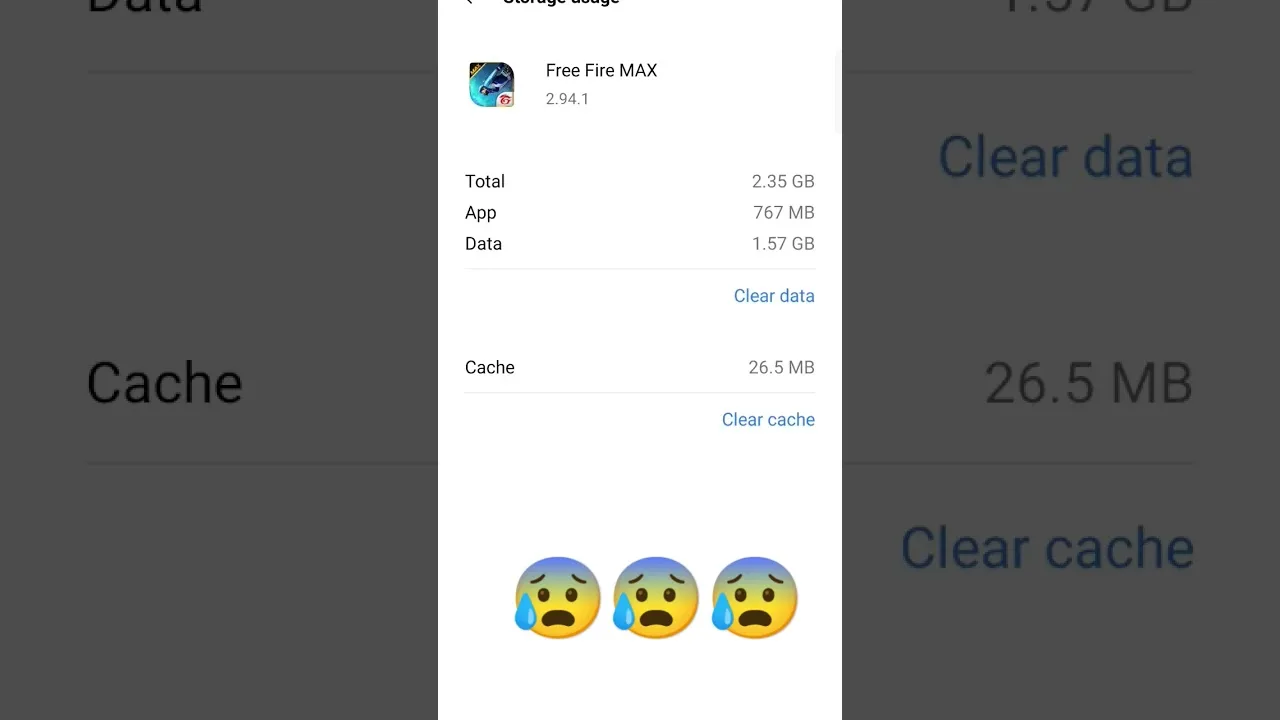
Games grow. Between the installed app, downloaded resources, caches, and the installer file itself, FF Amazon can occupy far more space than the number shown at download time. On phones with generous storage this never matters, but on smaller devices a full disk causes failed updates, stutter, and crashes that look mysterious until someone checks the storage screen.
This guide explains what each type of file is, what is safe to remove, and how to keep space under control permanently. New users can start from the FF Amazon APK for Android phones overview; everyone else should begin by opening Android's storage settings and noting how much space the game and its files currently use on their own phone.
Know the Four Kinds of Files
The app itself is the installed program, which you should never delete casually because reinstalling takes time and a fresh download. App data holds your local settings, downloaded resources, and sign-in state. Cache is temporary working files the app can rebuild, and it is the safe target when you need quick space or a gentle reset.
The installer file, the package you downloaded to install the game, is separate from all of these. Once installation succeeds and you have confirmed the game opens and plays, the installer is no longer needed for daily use. Many phones carry several old installer versions in the downloads folder, quietly consuming the space an update later begs for.
Clear Cache the Safe Way
Open Android settings, find the app, and use the clear cache option when you need space or when the game behaves oddly after an update. Clearing cache does not remove your account or progress, and the app rebuilds what it needs over the next sessions. Expect slightly slower loading the first time after a clear while fresh cache is created.
Do not confuse clear cache with clear data. Clearing data removes local settings and sign-in state and forces a full fresh setup, which is why FF Amazon not working common problems and fixes treats it as a late step rather than a first response. Labels matter here; read the button before tapping, especially on phones where the two options sit side by side.
Handle Updates Without Storage Panics
Updates need free working space on top of the existing installation, which is why a phone can show the game fitting perfectly yet still refuse an update. Keeping a permanent buffer of free space, roughly a gigabyte on tight devices, turns updates from a crisis into a routine. The update walkthrough in how to update FF Amazon to the latest version assumes this buffer exists.
Before a big update, delete old installer files, clear the cache, and move large media such as recorded videos to other storage if you have it. After the update completes and the game runs well for a day, you can also delete the new installer file, keeping only the knowledge of where to obtain it again if ever needed.
Find What Else Is Eating Space
The game is rarely the only large resident on a full phone. Messaging apps accumulate videos and voice notes, browsers hoard cached pages, and other games carry their own downloaded resources. Android's storage screen ranks apps by size and makes the real culprits obvious in seconds. Sort by size before blaming any single app.
Downloaded in-game resources deserve a specific look. Optional packs, extra maps or language files, and recorded replays can add up inside a game's data. If the game offers resource management in its own settings, review it there first, since removing resources through the game is cleaner than deleting files blindly through a file manager.
A Monthly Five-Minute Routine
Once a month, open the storage screen, delete leftover installer files, clear the game cache if it has grown very large, and confirm your free-space buffer still exists. This tiny routine prevents nearly every storage surprise, including the failed update on the morning you most wanted to play.
It also helps to download large files on Wi-Fi and delete them promptly once their job is done, rather than letting the downloads folder become an archive nobody audits. Phones feel faster and updates behave better when storage is managed as a habit instead of an emergency response.
What to Do When Storage Is Already Full
If the phone is already completely full, work in a strict order. First delete old installer files and obvious junk from the downloads folder, which usually frees the most space for the least regret. Next clear caches for your largest few apps, not only the game. Then move photos and videos to a computer, card, or cloud storage, since media is normally the largest single category on the device.
Only after those steps should you consider uninstalling apps, and choose ones you have not opened in months. Avoid the desperate move of clearing the game's data to win space; it trades a small, temporary gain for a full re-download of resources later, which on a tight connection costs far more than the space was worth. Full-storage rescues succeed by removing dead weight, not living data.
Final Thoughts
Storage management is simple once the file types are clear: keep the app, respect its data, clear cache freely, and retire installer files after they have done their job. Maintain a small free-space buffer and a monthly five-minute check, and FF Amazon will update, load, and run the way it should.